Lonestar Trading US
US → India — Scrap Division

Complex Alloy Scrap.
Placed Right. Handed Over Clean.

Superalloys, Ni/Co/Ti, mixed-chemistry streams — material that needs chemistry validation, buyer alignment, and accountable delivery. Not standard trading.
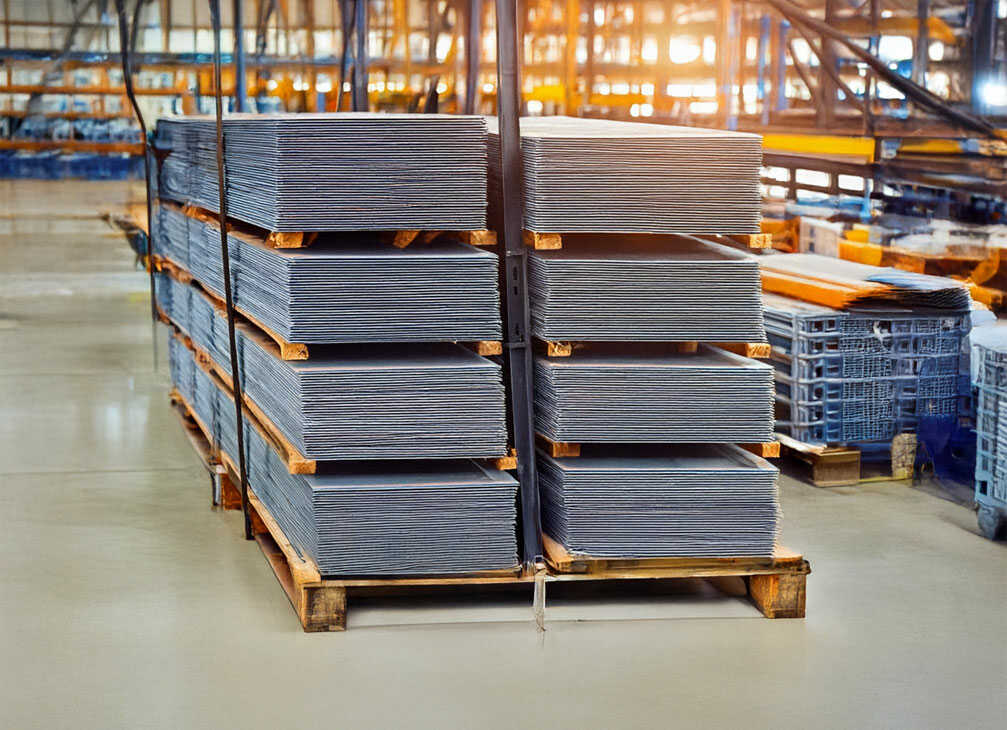
Complex alloy scrap — validated and sorted
What We Trade

The Scrap That Doesn’t Fit
Standard Channels

For material where chemistry, variability, or contamination risk makes standard placement unreliable.

Material Types
  • Superalloy scrap — Ni-base, Co-base, complex returns
  • Titanium scrap — mixed grades, turnings, variable alloy
  • Refractory metals — W, Mo, Ta, Nb-bearing streams
  • Mixed-chemistry lots — commingled or poorly documented
  • Metal-bearing residues — catalyst, grindings, sludge
When This Fits
  • Chemistry requires validation before placement
  • Domestic options are limited or uneconomical
  • Buyer acceptance needs explicit upfront alignment
  • Prior history of downgrades, disputes, or renegotiation
Standard scrap that places easily? That’s not what this division is for.
Material identification & sorting
Chemistry validation & documentation
The Problem

Why Complex Scrap Breaks
Traditional Trading

Trading assumes obvious chemistry, standardized grades, and responsibility ending at shipment. Complex scrap violates all three.

Where It Breaks
  • Chemistry treated as a footnote — inferred, not validated
  • Acceptance left implicit — assumed until receipt
  • Responsibility stops at the dock — fragments after shipment
  • Disputes replace decisions — late surprises trigger claims
What Recovery Plants Need
  • Early clarity on chemistry and variability range
  • Explicit acceptance logic agreed before movement
  • Recovery-ready delivery with matching documentation
  • One counterparty accountable through handover
Our Scope

What We Own — and Where
We Draw the Line

We own alignment to clean handover. Physical handling is done by generators, yards, and partners.

We Own
  • Material identification & source context
  • Chemistry validation & acceptance alignment
  • Segregation requirements & readiness checkpoints
  • Documentation matched to material reality
  • Delivery oversight & clean handover at receipt
We Don’t
  • Melt, blend, or physically process scrap
  • Assume metallurgical responsibility post-handover
  • Guarantee recovery yield beyond aligned expectations
  • Trade without chemistry and acceptance clarity
Our Process

How a Scrap Trade Works,
Step by Step

Sequenced to surface risk early. Value is preserved — or lost — before shipment.

Step 1

Material Review & Context

Assess source, chemistry variability, contamination risks, and recovery constraints.

Step 2

Buyer Selection & Acceptance Alignment

Align chemistry ranges, tolerance, contamination limits, and recovery expectations before movement.

Step 3

Segregation & Preparation

Define requirements and verify readiness. Operating parties execute; we verify.

Step 4

Shipment & Oversight

Coordinate scheduling and maintain alignment through transit.

Step 5

Receipt & Clean Handover

Confirm delivery against expectations. Support early resolution. Ownership ends here.

Fit Check

Is This Right for You?

Good Fit
  • US generators & yards with alloyed or mixed-chemistry scrap
  • Indian recovery plants that prefer clarity over post-arrival renegotiation
  • Streams with variability, contamination risk, or dispute history
Not a Fit
  • Clean, single-grade commodity scrap
  • Index-linked trades with no post-shipment accountability
  • Price-only or arbitrage-only objectives
Start Here

Have Complex Scrap?
Let’s See If There’s a Fit.

One focused conversation about one stream. Chemistry, variability, acceptance logic. Then a clear yes or no.